

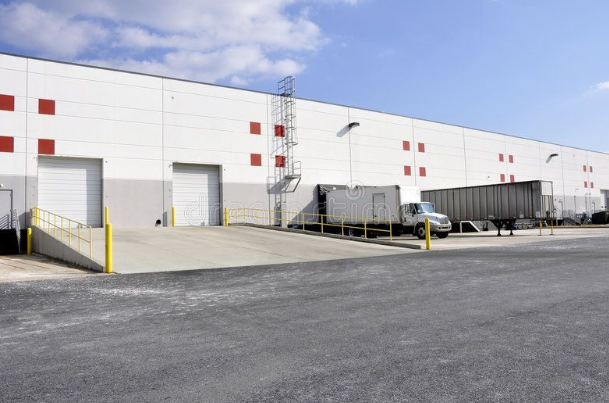
The world of architecture is evolving at a remarkable pace, and steel buildings are at the heart of this transformation. Once seen as purely industrial structures, steel buildings now dominate skylines with elegance and strength. Designers are finding new ways to push boundaries, blending functionality with aesthetic appeal. From sustainable practices to cutting-edge design techniques, steel buildings are redefining what modern architecture can achieve.
Lightweight Materials Enhancing Modern Designs
Modern steel buildings use lightweight yet incredibly strong materials that make construction faster and more flexible. Architects can now experiment with shapes and spans that were impossible with traditional materials like concrete or wood. These lightweight steel components reduce the overall load on foundations while allowing for taller, more daring structures. The innovation in material science is helping steel buildings redefine city skylines with designs that are both daring and practical.
Prefabrication Transforming Construction Timelines
Steel buildings benefit greatly from prefabrication techniques, where parts are manufactured off-site and assembled quickly on location. This approach minimizes construction time and reduces waste. Builders can now erect steel buildings in a fraction of the time it takes for traditional structures. The precision of prefabricated components ensures higher quality while lowering labor costs. With these efficiencies, steel buildings are becoming the preferred choice for developers aiming to meet tight schedules.
Sustainability Driving Steel Building Popularity
Steel is inherently recyclable, which makes steel buildings a cornerstone of sustainable architecture. Designers are now prioritizing materials that can be reused or recycled without losing structural integrity. Incorporating energy-efficient insulation, green roofing, and recycled steel, modern structures reduce their environmental footprint. This sustainable approach ensures that steel buildings are not just strong and versatile but also eco-friendly, aligning with the growing demand for responsible architecture.
Innovative Design Techniques With Steel Buildings
Advancements in steel building techniques have opened doors to creative architectural expressions. Architects are using curved steel beams, open floor plans, and large glass facades to craft spaces that are visually striking and functional. The adaptability of steel allows for bold experimentation with interior layouts, lighting, and exterior shapes. These innovations make a steel building favorite for projects where form and function must seamlessly coexist.
Enhanced Safety and Durability Features
Steel buildings are known for their durability and resistance to extreme conditions. They can withstand harsh weather, fire, and seismic activity better than many other materials. Recent innovations have enhanced these properties further with coatings that resist corrosion and flexible joint designs that absorb movement. This combination of strength and resilience ensures that steel buildings remain safe, sustainable, and long-lasting.
Integration With Smart Technologies
Modern steel buildings are increasingly integrated with smart technologies to improve efficiency and functionality. Sensors monitor structural health, energy usage, and environmental conditions, providing real-time feedback to owners and architects. This integration allows buildings to adapt dynamically, optimizing comfort and energy consumption. With technology embedded at the core, steel buildings are becoming intelligent structures that anticipate needs before they arise.
Conclusion
Steel buildings are no longer limited to factories and warehouses. They are shaping the future of architecture through innovation, sustainability, and adaptability. From lightweight materials to prefabrication, and from smart technology integration to sustainable practices, steel buildings demonstrate how functionality and aesthetics can coexist. As architects continue to explore new possibilities, steel buildings will remain a central force driving architectural creativity and modern design.