

Travel photography is one of the most rewarding ways to preserve memories and share stories from your journeys. In 2026, with advanced smartphones and accessible cameras, beginners can capture stunning vacation images without professional equipment. The key lies in understanding light, mastering basic composition, and developing a mindful approach rather than relying solely on gear.
This guide offers practical, easy-to-implement tips tailored for beginners, helping you elevate your travel photos from ordinary snapshots to memorable keepsakes.
1. Master the Golden Hour – Shoot During Sunrise and Sunset
One of the most transformative tips for beginners is timing your shoots around sunrise and sunset, known as the golden hour. During these periods, the sun is low in the sky, creating soft, warm light that adds depth, dimension, and beautiful colors to your images. Midday harsh sunlight often results in flat, washed-out photos with strong shadows.
Arrive at key locations early or stay late. Early mornings also mean fewer crowds, allowing cleaner compositions. Whether photographing landscapes, architecture, or portraits, golden hour light dramatically improves image quality with minimal effort.
2. Understand and Use the Rule of Thirds
The rule of thirds is a foundational composition technique that instantly improves photos. Imagine dividing your frame into a 3×3 grid using two horizontal and two vertical lines. Place your main subject along these lines or at their intersection points rather than dead center.
This creates more dynamic, balanced images that naturally draw the viewer’s eye. For landscapes, align the horizon with the upper or lower third. For portraits or landmarks, position your subject off-center. Most cameras and smartphones have a grid overlay option to help apply this rule easily.
3. Get Closer to Your Subject
Many beginners stand too far back, resulting in images where the subject feels distant and disconnected. A powerful tip is to move physically closer to your subject. Filling more of the frame creates intimacy and impact.
This works especially well for street scenes, local people, food, and details. Don’t be afraid to zoom with your feet instead of your lens. Closer shots often tell stronger stories and eliminate distracting background elements.
4. Pay Attention to Leading Lines and Framing
Leading lines are natural or architectural elements like roads, paths, fences, or rivers that guide the viewer’s eye toward the main subject. Incorporating them adds depth and movement to your travel photos.
Similarly, use natural frames — doorways, windows, arches, or tree branches — to draw attention to your focal point. These techniques add structure and professionalism to images without advanced editing.
5. Focus on Details and Local Stories
Don’t just photograph famous landmarks. Capture the small details that tell the story of a place: colorful street markets, local cuisine, traditional handicrafts, textures, or candid moments of daily life. These intimate shots often become the most cherished memories.
Experiment with different perspectives — shoot from low angles, high angles, or unusual viewpoints. Including people in your scenes (with permission where needed) adds scale and human connection to landscapes and architecture.
6. Travel Light and Know Your Gear
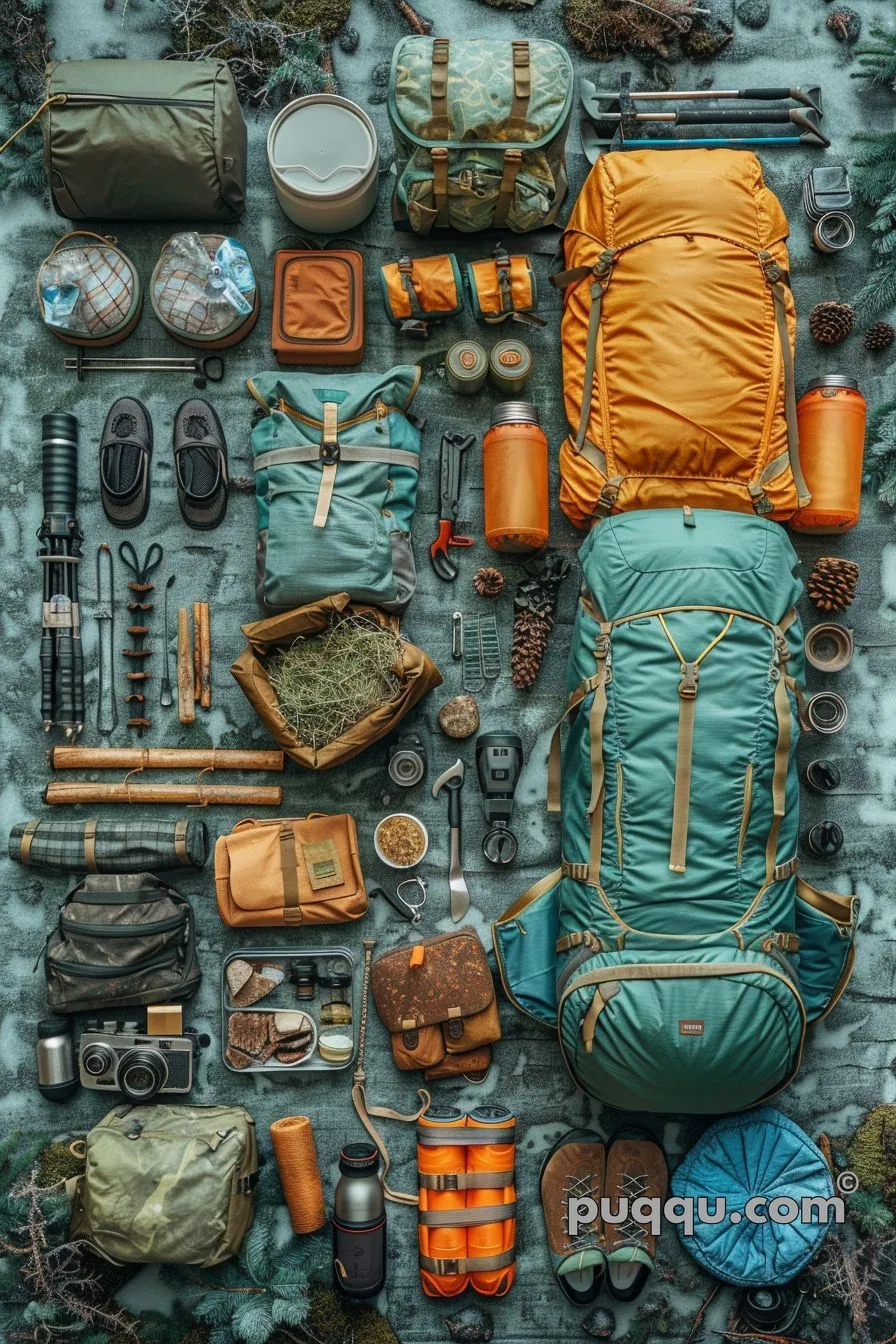
Carrying too much equipment can slow you down and reduce spontaneity. Beginners should focus on mastering one camera or smartphone rather than bringing multiple lenses. A versatile zoom lens or a smartphone with strong computational photography is often sufficient.
Before your trip, spend time learning your device’s settings — especially aperture, shutter speed, ISO, and exposure compensation. Practice in different lighting conditions at home so you feel confident while traveling. Always carry spare batteries, memory cards, and a microfiber cloth for lens cleaning.
7. Use Natural Light Creatively
Besides golden hour, learn to work with different lighting situations. Overcast days provide soft, even light perfect for portraits and colorful scenes. Backlit subjects can create beautiful silhouettes or rim lighting effects.
Avoid shooting directly into bright midday sun. Instead, position yourself so the light falls nicely on your subject. Use shadows creatively to add mood and dimension to your compositions.
8. Capture Authentic Moments and Emotions
The best travel photos often evoke feelings. Look for genuine interactions, joy, curiosity, or quiet moments rather than posed shots. Street photography, cultural festivals, and local celebrations provide rich opportunities for storytelling.
Be respectful and patient. Building brief rapport with locals often leads to more authentic portraits. Candid shots of your travel companions experiencing the destination also create powerful personal narratives.
9. Edit Thoughtfully for Impact
Post-processing can enhance your images, but beginners should focus on subtle improvements. Adjust exposure, contrast, white balance, and saturation to make colors pop naturally. Crop for better composition and straighten horizons.
Popular free or affordable apps and software offer presets that work well for travel photography. The goal is to enhance the mood and story, not to create unrealistic images. Always keep original files safe.
10. Plan Ahead and Stay Flexible
Research your destination’s best photography spots, local events, and weather patterns. Having a loose shot list helps maximize time, but remain open to spontaneous opportunities. The most memorable photos often come from unexpected moments.
Respect local customs and photography etiquette, especially at religious or cultural sites. Some places restrict photography, so always ask permission when photographing people.
Additional Beginner Tips for Better Results
-
Stability Matters: Use a small tripod or stabilize your camera against walls or bags for sharper images in low light.
-
Experiment with Perspectives: Kneel down, lie on the ground, or climb to higher viewpoints to find fresh angles.
-
Tell a Story: Think of your photos as chapters — mix wide establishing shots, medium details, and close-up textures.
-
Backup Your Images: Transfer photos daily to a cloud service or external drive to prevent loss.
Final Thoughts
Amazing vacation pictures don’t require expensive gear or years of experience. By focusing on light, thoughtful composition, and genuine storytelling, beginners can dramatically improve their travel photography in 2026. The most important skill is developing an observant eye and enjoying the process of discovery.
Start applying these tips on your next trip. Take plenty of photos, review them each evening, and note what works. Over time, you’ll develop your unique style and return home with images that truly capture the spirit of your adventures.
Travel photography is ultimately about preserving moments and emotions. With practice and passion, your vacation pictures will not only amaze your friends and family but also bring joy every time you revisit them. Pack your camera, stay curious, and let the world inspire you through your lens.
Read more – tripfleeting.com